

Three stories that matter this week:
1/ On September 20, US Treasury Secretary Scott Bessent and Chinese Vice Premier He Lifeng met at JPMorgan’s Manhattan office as they set the stage for President Trump hosting President Xi Jinping at the White House this Thursday September 24. This is President Xi’s first state visit to DC in over a decade.
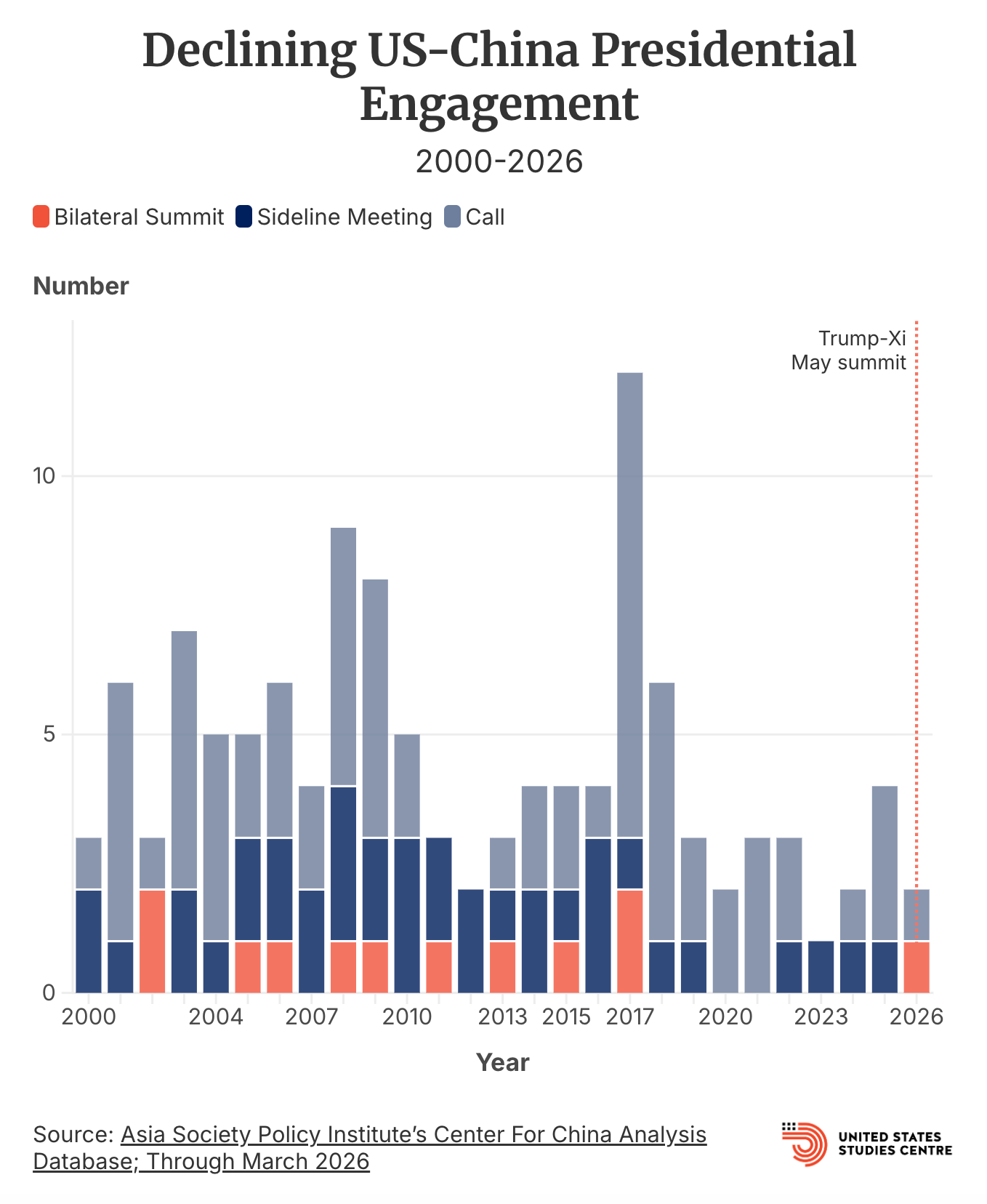
What’s high on the agenda for September 24? Three core things: 1) extending a trade truce expiring in November; 2) finalizing a mutual $30 billion tariff reduction on energy and agricultural goods; and 3) addressing AI. In fact, US officials accuse Chinese firms of systematically "distilling" American models to close the technology gap. Bessent’s remark previously: “There is no tomorrow if China wins the AI race”.
Some will win, some will lose: agricultural and energy tariffs (hopefully) drop after frenzied episode, cross-border tech supply chains remain highly vulnerable. We’ll report the meeting's results early next week.
2/ Speaking of bottlenecks, the Black Sea has become the “Hormuz of wheat”. The Black Sea controls over 25% of global wheat trade, 66% of sunflower oil, and 10% of corn. Since July, escalated mutual attacks have crippled both sides: Ukrainian drones targeted Russian ports and oil refineries (along with Iran war, pushing agricultural diesel to record highs), while Russian missiles hit Ukrainian terminals and silos around Odesa.
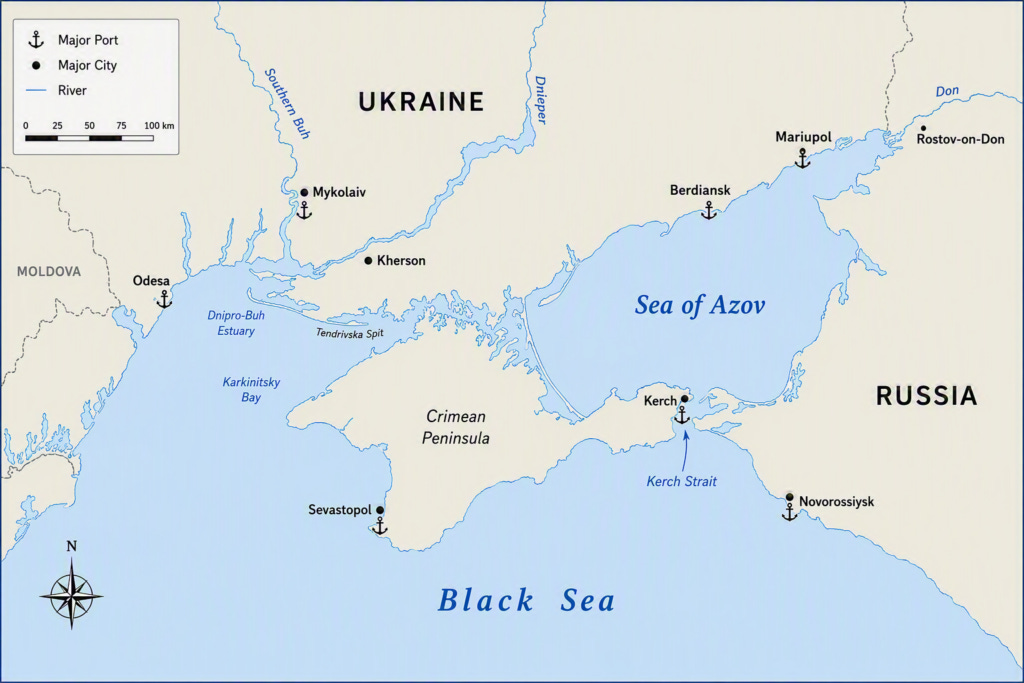
According to Bloomberg, the result is a 50% year-on-year drop in combined Russian and Ukrainian wheat exports for July–September, pushing wheat prices to 3-year highs. Global players across the chain has felt the impact:
Top importer Egypt received zero Black Sea shipments last month, threatening the subsidized bread supply for two-thirds of its households. Libya and Sudan are buying wheat from France for the first time in a decade.
Vietnam’s Golden Wheat lost 20% of its annual supply overnight, paying steep premiums for US and Bulgarian emergency shipments.
80 ships from Ukraine are jammed at Danube ports, and EU rail routes max out at just 10,000 tons daily. With storage capping out by November, farmers are resorting to temporary plastic bag silos.
Russia is hauling grain thousands of extra rail miles to the Far East or routing through the Baltics - where Latvia and Lithuania are threatening transit bans.
Turkey, the UAE, and Bangladesh are rapidly draining reserves in Romania and Argentina, while rushing Australian exporters for allocations months before harvest.
Experts warn that this supply shock will extend into 2027. We’ll follow more on this story and what it implies for downstream food manufacturers and traders.
3/ To the other side of the world, Vietnam is projected to remain Southeast Asia’s growth leader from 2026 to 2035. According to Bain & Company’s report, “since 1996, Vietnam has consistently led the region, while Thailand has remained the laggard for the last two decades”. The report forecasts the region’s sixth-largest economies will average 4.8% annual growth, with Vietnam capturing upside driven by sustained foreign investment and technological adoption.
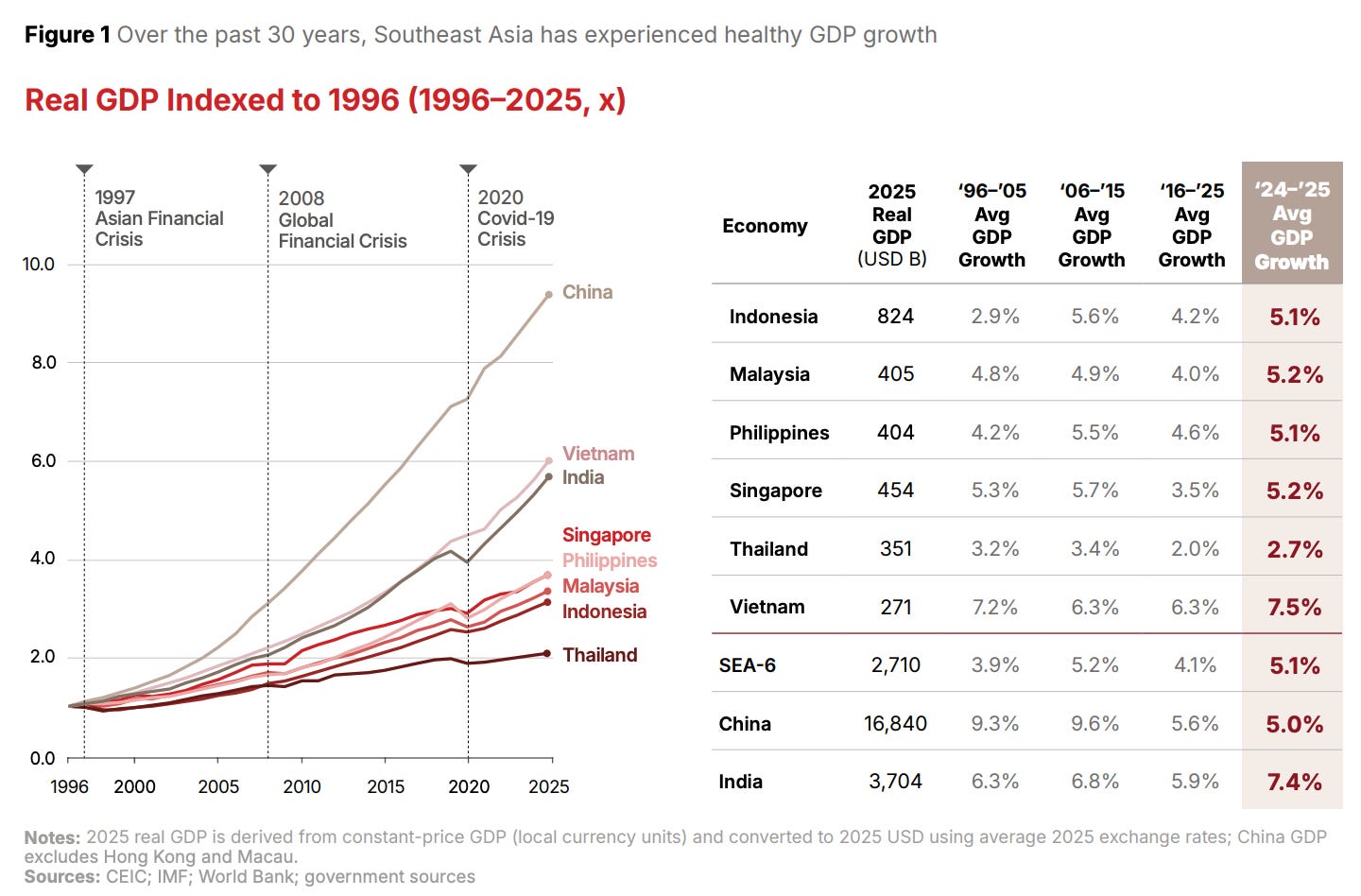
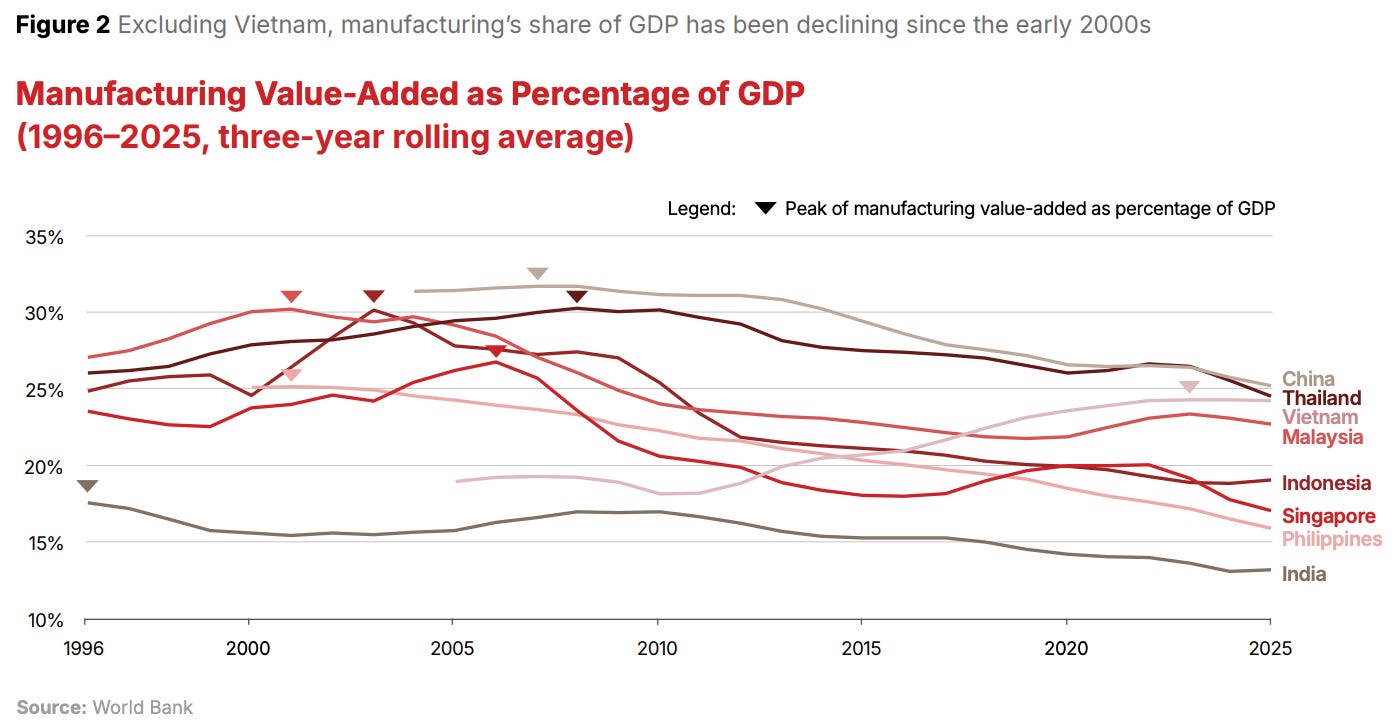
Vietnam just entered the upper-middle-income bracket in July 2026, yet the high-income threshold ($14,375) remains far off. Foreign value-added still accounts for nearly 50% of the country’s export turnover, and traditional growth drivers like cheap labor and land are maxing out. Reaching the next level requires more than just capturing “China+1” assembly overflow. If domestic R&D and tier-1 supplier capabilities do not scale, manufacturers risk getting trapped in low-margin operations. South Korea made the high-income jump in only 7 years, but Malaysia has been stuck as “upper middle income” for 38 years.
Enjoy the rest of your week, stay sharp, and keep building.
Anh
On behalf of the Tocco team
Further Readings · Supply Chain & Manufacturing News · 09.2026
(India 🇮🇳) Applied Materials announced plans to invest $5 billion in India over the next decade to build a 140-acre R&D semiconductor research park in Bengaluru and scale its local supply chain 10-fold. The announcement comes as Applied Materials’s workforce tops 7,000 employees in India.
(China 🇨🇳) Chinese scientists at Yunnan University developed and tested the world’s first underwater solar farm. Using lead-halide perovskite cells designed to absorb blue-green light at a depth of 10 meters (where only 10% of sunlight penetrates), small test cells achieved 34.71% power conversion efficiency in laboratory conditions, while larger modules reached 29.40%, protected by a multi-layer butyl rubber, cover glass, and epoxy resin seal.
(Global 🌐) Global operational robot stock reached 4.664 million units in 2024, up 9% year-on-year, with 542,000 new installations, the fourth straight year above 500,000. How the money moves matters: a robot arm typically represents only 30 to 50% of total deployed cell cost; while integration, tooling, safety infrastructure, and training make up the rest. We outline 5 signs a facility is ready to automate and the deployment path from assessment through scale.
(France 🇫🇷) In tocco’s exclusive interview, Pili CEO Jérémie Blache explains how the company’s bio-based dyes work as true drop-in replacements for petrochemical pigments. To use their dyes, mills need zero retrofitting, no adjusted oxidation times, pH, or temperatures, and full parity on UV lightfastness and wash-fastness.